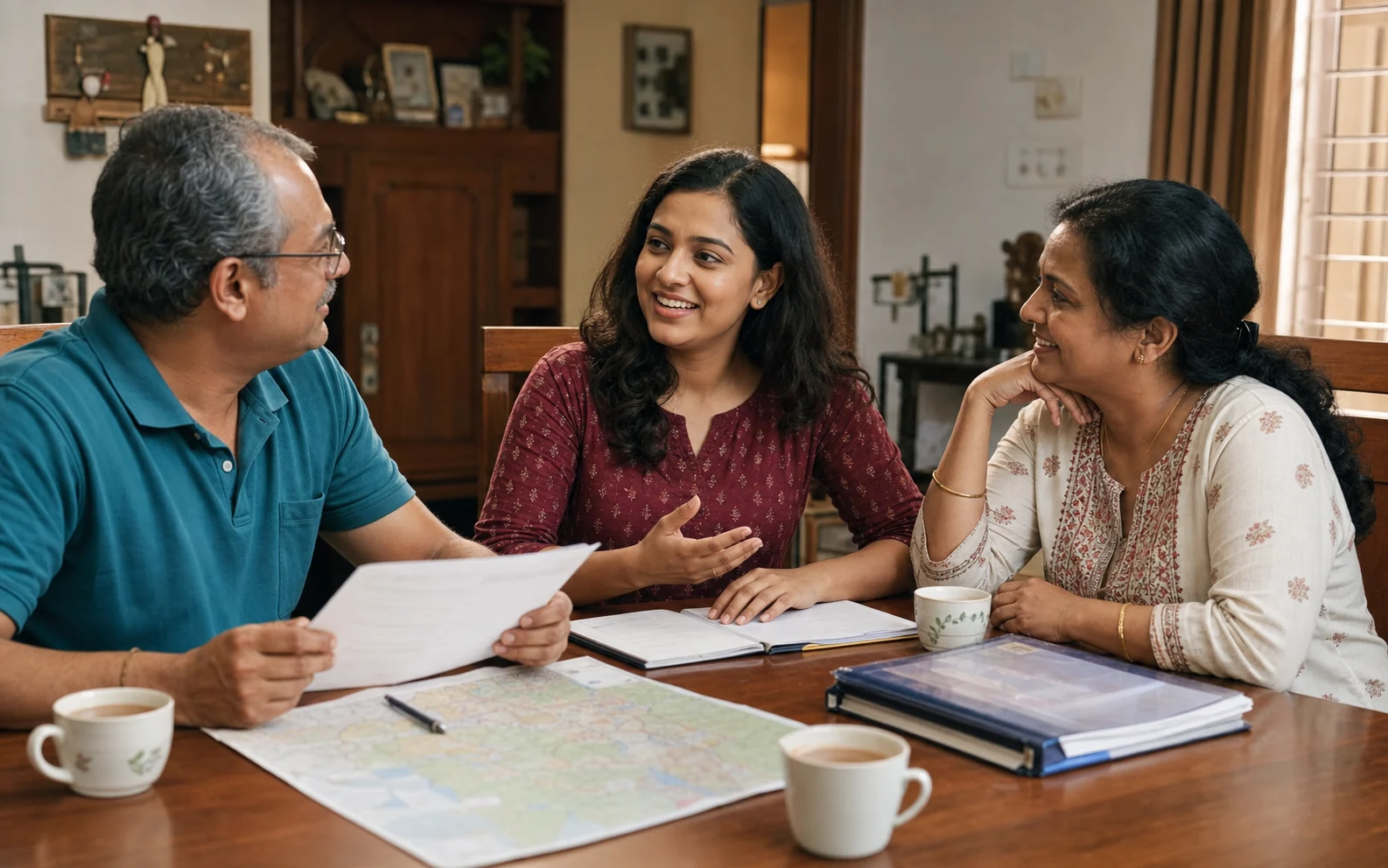
B1 Visa Approved After a Prior Refusal: A Mumbai Business Traveler's Experience
A real Mumbai B1 interview account involving a prior 214(b) refusal, a verifiable conference purpose, and calm answers under close questioning.
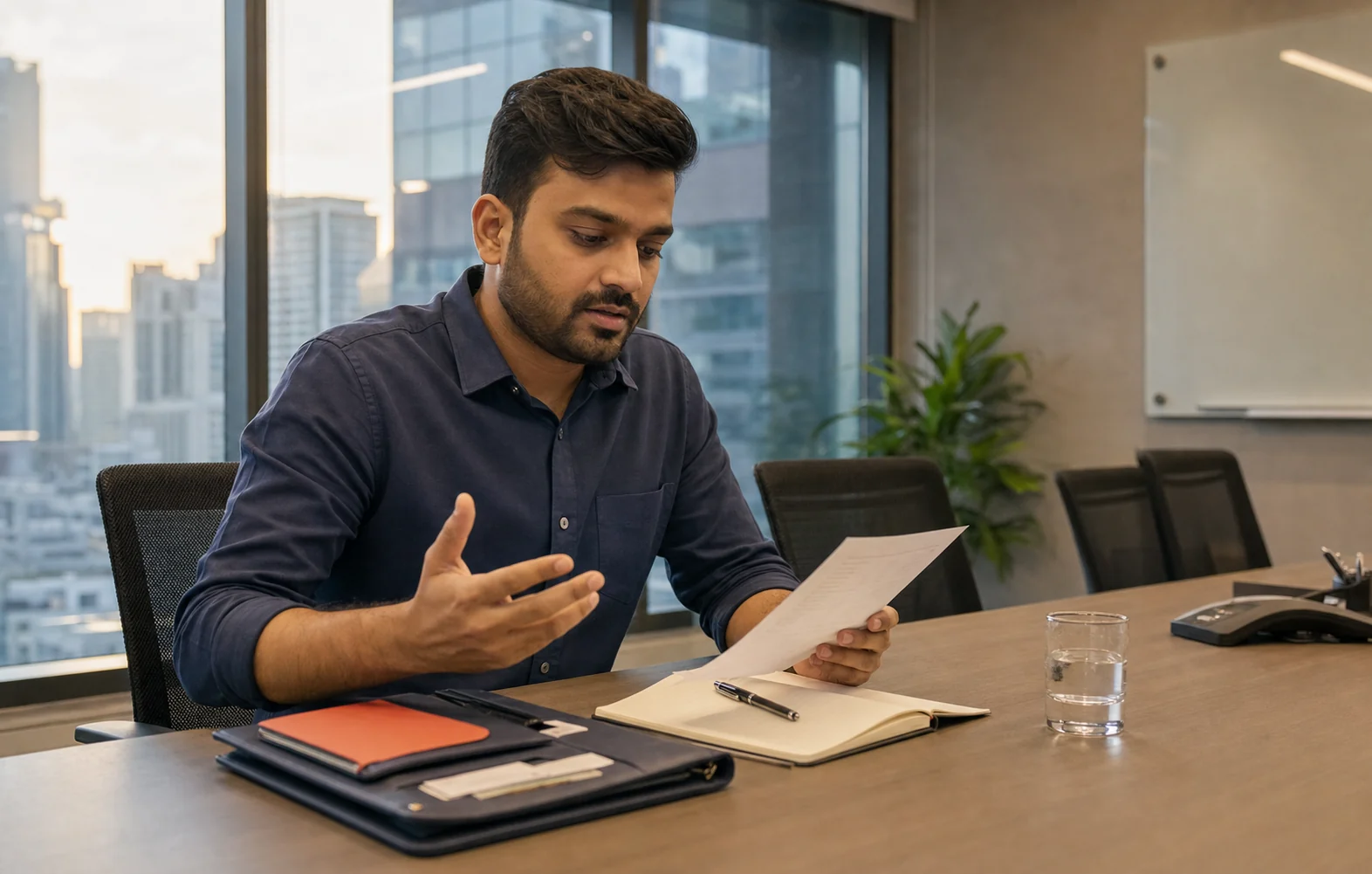
This article is an editorial summary of a public applicant account dated Jun 17, 2025. It is not a first-person claim by USA Vizo. Details are paraphrased; one experience cannot predict another applicant's decision.
Open the original public account →This Mumbai B1 applicant entered the interview with a previous refusal for the same visa type in 2019. The new trip was again for a business conference. This time, the applicant could explain a specific, verifiable trip and discuss the earlier refusal without becoming defensive. The account does not suggest that persistence guarantees a different outcome.
The applicant described being 34, married, and experienced in the profession. The appointment was at 8:30 a.m.; arrival was around 7:45. Before the interview came passport and appointment checks, a belongings-storage queue, security, an outdoor waiting area, fingerprints, and a language-based interview line.
A purpose that could be checked
The officer asked for the passport and immediately focused on purpose. The applicant identified a business conference, its city, and its dates. When the officer asked for the conference name again, the applicant repeated it. According to the public account, the officer looked it up during the interview.
Try the same check with your own trip. Can you summarize its purpose in one sentence? Would the details agree with a simple search and with the DS-160? Plain facts work better here than marketing language. They should connect the event, your role, the dates and location, and the person or organization paying for the trip.
The officer continued with questions about whether such conferences happen often, whether the company had offices in the United States and India, and whether the applicant worked directly for the U.S. office. The applicant clarified that the organization had an Indian legal entity but no physical Indian office because the team worked remotely.
The follow-ups were about the business structure
Remote work can make an answer sound inconsistent. An applicant might casually say "I work for a U.S. company" while the DS-160 or employment documents name a local entity. In this case, the officer tested that relationship through several short questions.
Officer focus: Is there a U.S. office?
Preparation point: Know the headquarters and the entity that actually employs you.
Officer focus: Is there an Indian office?
Preparation point: Distinguish a legal entity from a physical office if that is true for your employer.
Officer focus: Who is sponsoring the trip?
Preparation point: Name the payer plainly and ensure that answer matches the application and invitation material.
The conversation also covered who might travel with the applicant, what the company did at conferences, marital status, children, and annual income.
Answering the previous refusal
The officer noticed the earlier application and asked whether the applicant knew why it had been refused. The applicant identified it as a 214(b) refusal and said no specific reason had been provided. When asked whether that application had also involved a conference, the applicant answered yes.
The Department of State explains that a 214(b) refusal applies to that specific application. A person may reapply, but must submit a new application and pay the fee again; the official guidance says an applicant refused under 214(b) should be able to present evidence of significant changes in circumstances. That standard is more important than any single anecdote.
In a mock interview, practice stating the fact and date without blaming the officer. If something material has changed, describe it. Then return to the current trip instead of arguing about the old decision.
Business visa mock questions from this case
Purpose: What event are you attending, and what will you do there?
Verification: Give the event's public name, location, and dates.
Employer: Which legal entity employs and pays you?
Activity: Will you perform productive work in the United States, or attend meetings and conference activities?
Sponsorship: Who is paying for flights, lodging, and fees?
History: What happened in the previous application, and what has changed?
Do not memorize a universal answer to the activity question. B1 eligibility depends on the actual planned activities. If the line between meetings and employment is unclear, consult the official visitor-visa guidance and seek qualified legal advice for your circumstances.
The strongest preparation lesson
The applicant's own takeaway was to be calm, direct, and honest. The reported interview was not friendly small talk; it was professional risk screening. The answers succeeded as communication because they remained short while the facts connected across the event, employer structure, sponsorship, income, family situation, and application history.
- Use the exact event name and know what it is for.
- Explain your employer's entity structure without contradictory shortcuts.
- Prepare for the officer to verify public business details.
- Explain a prior refusal factually and without arguing about the result.
- Stop after answering the question; let the officer choose the next follow-up.
Sources
Official requirements and procedures can change. Consult the linked sources and the instructions for your embassy or consulate before acting.